
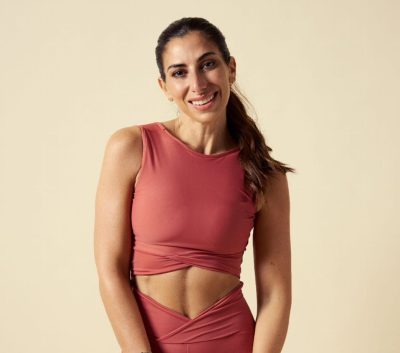
Author: Rachael Sacerdoti
We're bombarded by conflicting health advice, miracle cures, and overwhelming wellness trends. It makes finding reliable information about women's health feel impossible. That's exactly why I'm launching "Wellbeing Made Simple" – your new weekly blog that cuts through the noise to deliver what really matters.
Every month, I’ll be reviewing the biggest stories in women’s health with the same straightforward approach that transformed my own life and helped thousands of women across 55 countries. No fancy jargon, no unrealistic promises, just honest insights you can actually use.
Having lost 30kg and built It’s So Simple from the ground up, I’ve learned that the best health advice isn’t always the most complicated. In fact, it’s usually the opposite. While the media loves to overcomplicate wellness with the latest fad diets, expensive supplements, and extreme workout regimes, real lasting change comes from understanding the fundamentals and applying them consistently.
“Wellbeing Made Simple” will tackle everything from nutrition myths and fitness trends to mental health breakthroughs and lifestyle hacks. I’ll tell you what’s worth your attention, what’s complete rubbish, and most importantly, how it applies to your real life – whether you’re juggling work deadlines, family responsibilities, or simply trying to feel better in your own skin.
Each post will break down complex research into actionable insights, debunk the latest wellness myths, and highlight genuinely helpful developments in women’s health. Think of it as your weekly reality check in a world full of wellness noise.
Because at the end of the day, good health shouldn’t be complicated. It should be simple, sustainable, and work with your life, not against it. Ready to make sense of it all?
Welcome to Wellbeing Made Simple.

GLP-1 Weight Loss Drugs Drive New Nutritional Trends
Recent research indicates that up to 30 million Americans will receive GLP-1 treatments before decade’s end, creating unprecedented demand for nutrient-dense, high-protein foods. These medications increase satiety and reduce appetite, but nutritional deficiency becomes a key concern as users consume smaller portions. The food industry is responding with products rich in protein, fibre, omega-3s, and micronutrients specifically designed to prevent deficiencies in GLP-1 users while supporting long-term health.
Rachael Says:
GLP-1s are undoubtably transforming the approach many people take to losing weight and so it’s hardly surprising that the food industry is catching on. After all it’s big business. You only have to walk down any supermarket aisle to be overwhelmed by new ‘high-protein’ food options. Sadly, many of these products fit into the category of highly processed foods and are packed with harmful additives, trans fats and other ingredients with low nutritional value. Whilst you might get your protein intake up, you’re risking impacting other areas of your health.
This reinforces what I’ve been preaching since Ozempic etc hit the market. For long-term success you still need a lifestyle transformation as the medications are only part of the answer. Relying on medications alone can easily decrease the quality of nutrients you are eating, impact your metabolism and decrease key health indicators like bone strength.
Resistance Training Emerges as Best Exercise for Better Sleep
New research analysing 25 studies found that resistance training is the most effective exercise for improving sleep quality in older adults with insomnia, outperforming aerobic exercise and combination workouts. The study of 2,170 people aged 60+ showed that weighted exercise had the biggest impact on sleep improvement.
Sleep experts explain that resistance training creates physical “wear and tear” that requires recovery sleep, while learning new movements builds neural pathways that promote deeper rest. All exercise types showed benefits, but resistance training proved most effective against sleeplessness.
Rachael Says:
The real message to take away from this is that pretty much any and every exercise is going to improve your sleep. There are so many extra benefits from exercise: skin health, hair health, bone density, sex life, energy, mood….the list is almost endless! So get active and reap the rewards!
But the reason I love resistance training so much is that on pretty much every level you get more benefit than other forms of exercise. And as a busy mum of three, I need to know that I’m getting the most out of every minute of exercise. Because time is scare and I want to train as smart as I can.
Exercise Just 2 Days a Week Still Delivers Major Health Benefits
New research confirms that a ‘weekend warrior’ approach to exercise – getting 150 minutes of moderate-to-vigorous activity over one to two days instead of throughout the week – improved health outcomes and reduced disease risk just as effectively as spreading exercise across multiple days.
This finding challenges traditional fitness advice and offers hope for busy individuals who struggle to maintain daily workout routines. The study demonstrates that total exercise volume matters more than frequency, potentially revolutionizing how we approach fitness recommendations for time-constrained lifestyles.
Rachael Says:
My two takes on this.
- If you’ve only got time at the weekends, then lean into this, celebrate it and make sure you’re getting these workouts in. If you have a hectic weekend, this approach can easily lead to zero exercise in a weekend and so you have less margin for error. I always advocate trying to squeeze something in during the week, even if it’s only a couple of 10 min sessions.
- This all comes down to what your goals are. If you’re training for health then this research shows a weekend-only approach can work. If you’re looking to boost your mood, energy, body composition and achieve weight loss then you’re going to find more consistent, regular exercise gets you to your goals much much faster.


